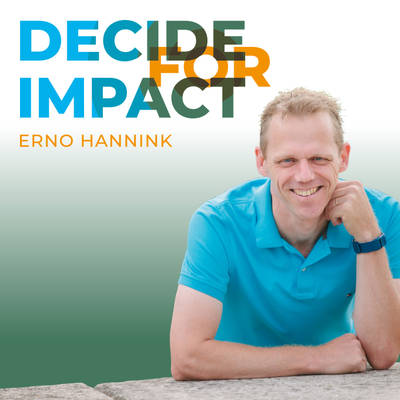
Today, we are learning from Mila Aliana.
Mila works in the messy, uncharted spaces where complexity lives, across industries, sectors, coalitions, and multi-stakeholder systems, where things are no longer working and no one quite knows how to navigate what’s next. Mila tends to work at the level of patterns and relationships, helping people see what’s really shaping behaviour beneath the surface, not just what’s visible.
Her practice has been shaped by working across very different contexts, from government and global consortiums to sitting with indigenous elders, and Mila brings that into how she holds spaces for people to sense, relate, and move differently together. At the moment, she is closely involved in stewarding the transition of the Inner Development Goals ecosystem, staying with the tension between structure, culture, and what it actually takes to shift how we lead and work.
Let's get started...
In this conversation with Mila Aliana, I learned:
00:00 Intro - how we met and why I invited Mila Aliana
04:00 How do you become a weaver?
07:00 When we say system, it is relationships that weave together.
08:55 Time is my kin (family)
10:10 Wayfinding is the orientation.
17:25 Control is a coping strategy when we face uncertainty.
19:30 Wayfinding and weaving in the no-map territory.
21:35 Learning from sensing and knowing, and how can it be supported by science?
22:30 We are all participants in life, not answers. We are all relational.
25:20 The land is not a resource; it is our relative. Time is our kin.
25:40 I am part of the relay team that passes down to the next generation.
29:35 The fundamental question: Does it actually matter?
30:10 How do you make it possible for others to become the best version of themselves? (this part is important to me)
32:50 Does it matter to you that you know what the impact is? Why does it matter to you?
35:10 How do we make a living from this work? (important section)
36:10 If I create value, money will follow.
37:55 Translate what you work into something that people can pay for in their language.
40:10 Go where you are invited.
42:40 Separate survival from your purpose.
43:05 Design for mutual reciprocity and not transactional relationships.
45:45 Four criteria for mutual reciprocity in living systems.
Does it give mutual benefit to each other?
Is it complementary?
Are you adaptive to change?
Is it readily available?
53:30 Using the spiritual level in the decision-making.
56:55 The trust cultivated about boundaries.
58:05 The misunderstanding of purpose in your work.
1:06:40 Mila asks Erno what he will use tomorrow based on what he has learned in this conversation.
1:09:10 A before and after embodied experience in a workshop or meeting.
1:12:55 Experimentation and adaptive action.
1:15:30 Working in collaboration in a participatory process.
More about Mila Aliana:
https://www.linkedin.com/in/milaaliana/
Resources we mention:
Arnold Mindell, a quantum flirt
The Transition working group - for the transition of the IDG organisation.
Barry's Economics - YouTube channel by Barry Ferns
Diary Of A CEO Is Making You Less Successful - Barry's Economics
Vibe by Mistral (formerly Le Chat)
De Trias Economica - book by Babette Porcelijn
Zo krijgen we een economie zonder verborgen impact – Babette Porcelijn
Chantal Walg
IDG Guide
IDG skill finder
Video of the conversation with Mila Aliana
https://youtu.be/QwbVoipQQ9Q
Watch the conversation here https://youtu.be/QwbVoipQQ9Q
Summary (created with AI)
In episode 492 of the Decide for Impact podcast, host Erno Hannink interviews Mila Aliana about working in complex, uncharted multi-stakeholder systems and her role as a “chief weaver.”
Mila explains weaving as making visible the relational dynamics, patterns, narratives, and intergenerational tensions that shape behavior in living systems, and wayfinding as sensing an inner compass to move without a clear map by listening to emergence rather than controlling outcomes.
They discuss how silence and culture co-create toxicity (including reflections on rising fascism), how humans are participants in interdependent systems rather than in control, and how impact matters through relationships and ripple effects without needing recognition.
Mila shares practical guidance on earning a living through boundaries, creating value, translating work into clients’ language, building trust-based mutual reciprocity instead of transactional funnels, and choosing projects via deep knowing; they end with applying “before/after” experiences to introduce IDG work and experimenting through collaborative events and questions.
Transcript
[00:00:00] Erno Hannink: Hello, and welcome to episode 492 of the Decide for Impact podcast. Today, you're listening to the conversation with Mila Aliana. Mila wor…
Mila works in the messy, uncharted spaces where complexity lives, across industries, sectors, coalitions, and multi-stakeholder systems, where things are no longer working and no one quite knows how to navigate what’s next. Mila tends to work at the level of patterns and relationships, helping people see what’s really shaping behaviour beneath the surface, not just what’s visible.
Her practice has been shaped by working across very different contexts, from government and global consortiums to sitting with indigenous elders, and Mila brings that into how she holds spaces for people to sense, relate, and move differently together. At the moment, she is closely involved in stewarding the transition of the Inner Development Goals ecosystem, staying with the tension between structure, culture, and what it actually takes to shift how we lead and work.
Let's get started...
In this conversation with Mila Aliana, I learned:
00:00 Intro - how we met and why I invited Mila Aliana
04:00 How do you become a weaver?
07:00 When we say system, it is relationships that weave together.
08:55 Time is my kin (family)
10:10 Wayfinding is the orientation.
17:25 Control is a coping strategy when we face uncertainty.
19:30 Wayfinding and weaving in the no-map territory.
21:35 Learning from sensing and knowing, and how can it be supported by science?
22:30 We are all participants in life, not answers. We are all relational.
25:20 The land is not a resource; it is our relative. Time is our kin.
25:40 I am part of the relay team that passes down to the next generation.
29:35 The fundamental question: Does it actually matter?
30:10 How do you make it possible for others to become the best version of themselves? (this part is important to me)
32:50 Does it matter to you that you know what the impact is? Why does it matter to you?
35:10 How do we make a living from this work? (important section)
36:10 If I create value, money will follow.
37:55 Translate what you work into something that people can pay for in their language.
40:10 Go where you are invited.
42:40 Separate survival from your purpose.
43:05 Design for mutual reciprocity and not transactional relationships.
45:45 Four criteria for mutual reciprocity in living systems.
Does it give mutual benefit to each other?
Is it complementary?
Are you adaptive to change?
Is it readily available?
53:30 Using the spiritual level in the decision-making.
56:55 The trust cultivated about boundaries.
58:05 The misunderstanding of purpose in your work.
1:06:40 Mila asks Erno what he will use tomorrow based on what he has learned in this conversation.
1:09:10 A before and after embodied experience in a workshop or meeting.
1:12:55 Experimentation and adaptive action.
1:15:30 Working in collaboration in a participatory process.
More about Mila Aliana:
https://www.linkedin.com/in/milaaliana/
Resources we mention:
Arnold Mindell, a quantum flirt
The Transition working group - for the transition of the IDG organisation.
Barry's Economics - YouTube channel by Barry Ferns
Diary Of A CEO Is Making You Less Successful - Barry's Economics
Vibe by Mistral (formerly Le Chat)
De Trias Economica - book by Babette Porcelijn
Zo krijgen we een economie zonder verborgen impact – Babette Porcelijn
Chantal Walg
IDG Guide
IDG skill finder
Video of the conversation with Mila Aliana
https://youtu.be/QwbVoipQQ9Q
Watch the conversation here https://youtu.be/QwbVoipQQ9Q
Summary (created with AI)
In episode 492 of the Decide for Impact podcast, host Erno Hannink interviews Mila Aliana about working in complex, uncharted multi-stakeholder systems and her role as a “chief weaver.”
Mila explains weaving as making visible the relational dynamics, patterns, narratives, and intergenerational tensions that shape behavior in living systems, and wayfinding as sensing an inner compass to move without a clear map by listening to emergence rather than controlling outcomes.
They discuss how silence and culture co-create toxicity (including reflections on rising fascism), how humans are participants in interdependent systems rather than in control, and how impact matters through relationships and ripple effects without needing recognition.
Mila shares practical guidance on earning a living through boundaries, creating value, translating work into clients’ language, building trust-based mutual reciprocity instead of transactional funnels, and choosing projects via deep knowing; they end with applying “before/after” experiences to introduce IDG work and experimenting through collaborative events and questions.
Transcript
[00:00:00] Erno Hannink: Hello, and welcome to episode 492 of the Decide for Impact podcast. Today, you're listening to the conversation with Mila Aliana. Mila wor…