
Muziekjournalist Peter Schavemaker interviewt in deze podcast auteur Peter Eijgenhuijsen uitgebreid over zijn boek ‘Het Mysterie van The Beatles. Over de oorzaken van hun ongekende roem’.
Eijgenhuijsen verklaart vanuit historische, muzikale en filosofische invalshoeken wat de ongekende wereldwijde roem en de culturele impact van de groep veroorzaakte. En duidt de blijvende invloed van de Beatles in een nog steeds voortdurend Beatles-tijdperk.
Peter Eijgenhuijsen: “The Beatles zijn na de Tweede Wereldoorlog zeker een katalysator geweest bij het heropstarten van de culturele vernieuwing.”
In het gesprek komt ook de vraag aan de orde wat er zou zijn gebeurd als The Beatles niet uit Liverpool, maar uit Amerika afkomstig waren geweest. Eijgenhuijsen acht het voorstelbaar dat zij ook daar een succesvolle carrière hadden opgebouwd. Hun muzikale inspiratie kwam immers voor een belangrijk deel uit de Verenigde Staten. The Beatles hielden in 1970 op te bestaan, maar de geschiedenis eindigde daarmee zeker niet. De vier muzikanten begonnen solocarrières en de belangstelling voor hun gezamenlijke werk bleef bestaan, sterker nog nieuwe generaties ontdekken tot op de dag van vandaag de muziek via heruitgaven (recent Rubber Soul), documentaires (Get Back van Peter Jackson) en digitale platforms. De moord op John Lennon in december 1980 en het overlijden van George Harrison in november 2001 kregen wereldwijd grote aandacht.
Auteur Peter Eijgenhuijsen schreef eerder over Spinoza en erkent dat zijn manier van kijken naar The Beatles en het schrijven van zijn boek een filosofische dimensie heeft. Die benadering was geen bewust uitgangspunt bij het schrijven, maar ontstond gaandeweg.
De toekomst van het Beatles-tijdperk houdt Peter Eijgenhuijsen eveneens bezig. Met Paul McCartney en Ringo Starr zijn nog twee voormalige Beatles in leven. Vooral McCartney vertegenwoordigt volgens Eijgenhuijsen een rechtstreekse verbinding met de oorspronkelijke creatieve kracht van de groep. Wanneer ook die verbinding verdwijnt, zal de betekenis van The Beatles opnieuw veranderen. Er breekt dan een periode aan waarin niemand van de vier muzikanten nog persoonlijk kan terugblikken op de gebeurtenissen of vanuit de oorspronkelijke samenwerking nieuwe muziek kan maken
Interview © 2026 Peter Schavemaker Tekst, Audio en Podcast Producties.

Met de theatervoorstelling 'Abbey Road, The Beatles, Pink Floyd... en ik' neemt muzikant Yorick van Norden het publiek mee door de geschiedenis van de beroemde Londense opnamestudio. Samen met muzikant en songwriter PJM Bond combineert hij historische anekdotes met muziek van onder anderen The Beatles, Pink Floyd, The Zombies, Procol Harum, Oasis, Radiohead en Louis Davids, de eerste Nederlander die opnam in Abbey Road. Yorick van Norden speelt ook eigen compisties tijdens de voorstelling.
De aanleiding voor het theaterprogramma vormt het album Do It Now, dat Yorick in september 2024 gedurende vier dagen opnam in Abbey Road. Deze bijzondere opname-ervaring inspireerde hem om zich verder te verdiepen in de rijke geschiedenis van de studio.
De voorstelling behandelt verschillende muzikale periodes, van de vooroorlogse opnames van onder anderen Louis Davids tot de Britse beatexplosie, psychedelische rock en de latere Britpop. Van Norden belicht daarnaast de veranderingen binnen de muziekindustrie en de manier waarop Abbey Road zich wist aan te passen aan nieuwe opnametechnieken.
PJM Bond, die eveneens betrokken was bij de opnames van Do It Now, begeleidt Van Norden op verschillende instrumenten. De liedjes worden teruggebracht tot hun oorspronkelijke muzikale kern.
Een bijzonder onderdeel vormt de ontmoeting van Yorick van Norden met Paul McCartney op 5 mei 2026 in Abbey Road Studio 2, tijdens een speciale presentatie van McCartney's album The Boys of Dungeon Lane. Die gebeurtenis vormt de afsluiting van de voorstelling.
Eerder maakte Yorick van Norden de theatershow De Platenkast van Paul McCartney.
Interview © 2026 Peter Schavemaker Tekst, Audio en Podcast Producties.
https://www.showcase.fm/yorickvannordenJim Kerr (Simple Minds) over Black & White en de jaren tachtig
Simple Minds-frontman Jim Kerr vertelt over het album Black & White, waarmee de Schotse band bewust teruggrijpt op de energie en sound van de jaren tachtig. Hij blikt terug op de grote successen van Simple Minds, de keerzijde van jarenlang intensief touren en de opnames in de Wisseloordstudio’s in Hilversum. Ook vertelt Kerr over de plannen voor een documentaire en zijn samenwerking met Mirjam Timmer (ex-Twarres). Een gesprek over het verleden van Simple Minds én de keuze om muzikaal een nieuwe pagina om te slaan.
(Archief) interview muziekjournalist Peter Schavemaker © 2005.

Lance Cowan Interview | The Air That You Breathe | Americana Music Podcast
In this episode, music journalist Peter Schavemaker talks with acclaimed Americana singer-songwriter Lance Cowan about his third album, The Air That You Breathe. After a distinguished career as one of Nashville's leading music publicists, working with legendary artists including Guy Clark, Joe Ely. Cowan launched his own recording career at the age of 65, with album releases So Far So Good (2023) and Against the Grain (2024). Now with The Air That You Breathe (release July 2026 on Boston-based Patio Records), he has become one of the most talked-about new voices in Americana and singer-songwriter music.
Lance discusses the stories behind The Air That You Breathe, his collaboration with Karen Leipziger, producer Scott Paschall and musicians including Sam Bush. He also shares his thoughts on songwriting, storytelling, Jackson Browne's influence, the Nashville music scene, Americana, folk music and writing songs about faith, compassion, gun violence and hope.
If you love Americana music, singer-songwriters, Nashville, folk, roots music, country music and in-depth artist interviews, this conversation offers a fascinating look at one of the genre's most authentic storytellers.
Keywords: Lance Cowan, The Air That You Breathe, Americana, Americana music, singer-songwriter, Nashville, folk music, roots music, country music, Jackson Browne, Guy Clark.
Interview © 2026 Peter Schavemaker Tekst, Audio en Podcast Producties.

Paul Logister behoort tot de weinige Nederlandse singer-songwriters die hun liefde voor The Beatles niet alleen bezingen, maar ook actief onderzoeken. Tijdens inmiddels zes opnamesessies in de legendarische Abbey Road Studios probeert de Limburgse muzikant de energie en werkwijze van zijn grote voorbeelden te doorgronden. Zijn nieuwste EP Echoes of Abbey Road is daarvan het meest recente resultaat. Logister vertelt in het podcastinterview met muziekjournalist Peter Schavemaker openhartig over de bijzondere sfeer van Studio 2, zijn fascinatie voor Lennon en McCartney en zijn zoektocht naar de 'code' achter het tijdloze Beatles-geluid. Hoewel hij toegeeft dat hij die formule nog niet heeft gevonden, probeert hij in zijn eigen liedjes steeds weer melodieën en arrangementen te schrijven die blijven hangen. Daarnaast spreekt hij over zijn theaterprogramma's rond John Lennon en Paul McCartney, zijn wens om ook buiten Limburg meer publiek te bereiken en zijn overtuiging dat de magie van Abbey Road hem blijft inspireren om nieuwe muziek te maken.
Interview © 2026 Peter Schavemaker Tekst, Audio en Podcast Producties.
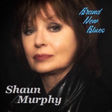
[email protected]Blues singer Shaun Murphy looks back on a remarkable career spanning more than five decades. In this conversation, she talks with music journalist Peter Schavemaker about the life-changing moment she first saw Big Mama Thornton perform at the 1969 Ann Arbor Blues Festival, the inspiration behind her new album Brand New Blues, and why honesty remains the foundation of every song she records. Murphy also reflects on memorable collaborations with Eric Clapton, Bob Seger and Little Feat, the creative freedom of releasing music on her own label, and her enduring passion for the blues as both a musical style and a way of life.
Interview © 2026 Peter Schavemaker Tekst, Audio en Podcast Producties.
[email protected]
In dit podcast gesprek tussen Erik Neimeijer en journalist Peter Schavemaker staan zijn 'scheppingsdrang', het huidige album Green Eyed Soul en het boek Iedereen Kunstenaar centraal.
Neimeijer beschouwt muziek, schilderkunst, theater en schrijven als verschillende uitingen van dezelfde creatieve bron, die hij ziet als één creatieve bankrekening. Erik vertelt hoe artiesten als Willie Nelson, Mick Jagger, David Bowie, Bruce Springsteen, Herman Brood, Paul Simon, Randy Newman en Tom Waits hem hebben beïnvloed in zijn ‘scheppingsdrang’, die al op vroege leeftijd begon in bands als Soundsurfer, Lorrainvile en Bökkers.
Ook bespreekt Neimeijer zijn idee van de ‘keten der bewondering’; kunstenaars ontwikkelen zich door steeds verder terug te zoeken naar de inspiratiebronnen van hun helden. Via Herman Brood en het boek Broodje Gezond van Bart Chabot ontdekte hij de Beat Generation, jazzmuzikant Mose Ellison, William Burroughs, Bob Dylan en Cobra-kunst, en via americana-artiesten als Ryan Adams en Jason Isbell verdiepte hij zich in de traditie van Amerikaanse songwriters.
Die zoektocht klinkt volgens hem door in zijn muziek en schilderkunst. Daarbij speelt het album Green Eyed Soul een belangrijke rol. Op deze recent verschenen plaat verbreedt Neimeijer zijn americana-achtergrond met soul, rhythm-and-blues en rijke blazersarrangementen, geïnspireerd door onder anderen de jaren ’90-muziek van Paul Weller. Op Green Eyed Soul heeft Erik Neimeijer Angel Flying Too Close To The Ground van Willie Nelson opgenomen. De song Devil is Skilled is voor Neimeijer de ‘sleuteltrack’ van het album: “Daarmee is het echt gelukt, waar ik zo van hou, om een verhaal te vertellen, zoals Springsteen, Simon en Newman dat ook zo kunnen.”
Daarnaast reflecteert Neimeijer openhartig op de spanningen van het kunstenaarschap. Zijn grote nieuwsgierigheid en voortdurende drang om nieuwe stijlen te verkennen vormen zowel een kracht als een valkuil. Maar de kunst houdt hem ook ‘gezond’. Erik Neimeijer heeft binnen de schilderkunst inmiddels een duidelijk herkenbare stijl heeft ontwikkeld, die zelfs door Google Lens direct wordt geïdentificeerd, terwijl hij in de muziek voortdurend tussen stijlen blijft bewegen.
In zijn boek Iedereen Kunstenaar, dat hij samen schreef met zus Judith Neimeijer, koppelt hij zijn creatieve onrust aan ‘een vleugje psychologie’ en bestaande persoonlijkheidstheorieën zoals de Big Five. Ondanks frustraties over de muziekindustrie en streamingdiensten overheerst optimisme: voor Neimeijer draait kunst uiteindelijk niet om commercieel succes, maar om het volgen van intuïtie en artistieke vrijheid.
Interview © 2026 Peter Schavemaker Tekst, Audio en Podcast Producties

In dit uitgebreide podcastinterview met muziekjournalist Peter Schavemaker blikt de in Enschede geboren bluesmuzikant Hans Theessink (1948) terug op zijn lange internationale carrière, zijn muzikale wortels en zijn leven in Oostenrijk. Theessink vertelt dat hij nog altijd graag jaarlijks in Nederland optreedt, waar zijn concerten steevast uitverkocht zijn. Zijn muziek omschrijft hij nadrukkelijk als folkblues, geworteld in akoestische Delta Blues en fingerpicking.
Over de andere Nederlandse bluesicoon Harry Muskee zegt Theessink: “Ik heb Harry iets gekend en had een goede verhouding met hem. (lacht) We konden samen plat praten.” Hoewel hij zich verbonden voelt met de Nederlandse blues, volgt hij de scene niet meer actief omdat hij al decennia buiten Nederland woont. Hij kent nog wel namen, zoals Robbert Duijf. Zijn opname in de Dutch Blues Hall of Fame, in 2018, noemt hij een “mooie erkenning”. Over het ontbreken van zijn naam in het boek Nederblues reageert hij nuchter: “Misschien had ik wel in dat boek moeten staan. Maar, het is zoals het is.”
Verder vertelt Theessink uitgebreid over zijn internationale loopbaan, zijn beroemde Birthday Bash-concerten en CD's in Wenen en samenwerkingen met artiesten als Big Daddy Wilson, Knud Møller, Bo Diddley en Bill Wyman van The Rolling Stones, die twee nummers van Hans Theessink opnam op zijn cd Drive My Car. Over de Verenigde Staten zegt hij: “Ik ben daar altijd graag geweest en heb er graag gespeeld. Maar echt wonen in de VS, daarvoor ben ik toch teveel Europeaan.”
Ook spreekt hij over zijn muzikale invloeden, waaronder Bob Dylan, Big Bill Broonzy en Mississippi John Hurt, en over bijzondere ervaringen zoals het touren met Johnny Cash. Ondanks zijn internationale succes blijft Theessink bescheiden. “Muzikanten willen graag spelen,” zegt hij. Het belangrijkste vindt hij dat mensen zijn concerten blijven bezoeken en dat hij kan blijven optreden zolang zijn gezondheid het toelaat.
Interview © 2026 Peter Schavemaker Tekst, Audio en Podcast Producties.
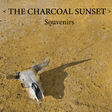
In-depth podcast interview conducted by music journalist Peter Schavemaker with Juri Member, frontman of the Berlin-based Americana and Folk Rock band The Charcoal Sunset, centered around their new album Souvenirs, released on Bear Family Records (April 10, 2026). The conversation explores the band’s long journey toward a distinctive Americana sound, shaped by the influence of artists such as Bob Dylan (track ‘Basement Blues’), Tom Petty “Probably the most important American rock and roll band” and Hank Williams as well as personal hardships, including the loss of their bassist. Juri reflects openly on the emotional weight behind the album, which stands as both a culmination of past struggles and a new artistic beginning.
American magazine Rolling Stone (German edition) already highlighted The Charcoal Sunset.
A key theme is the band’s unique position as a contemporary Americana act on a label traditionally associated with classic legends. The interview also highlights Juri’s personal connection to the United States, inspiring lyrics that examine the darker edges of the American dream. "Like the opener on the album 'If Jesus was American' that is definitely related to what's happening in the USA." "A lot of bad things happen right now in the American society and American politics and that's something that you know makes me very sad, and it definitely has an influence on certain songs.” Alongside artistic themes, the discussion turns to future ambitions, including expanding beyond Berlin, gaining and pursuing opportunities at international Americana festivals.
www.thecharcoalsunset.com
Interview © 2026 Peter Schavemaker Tekst, Audio en Podcast Producties
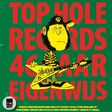
In dit podcastgesprek praat muziekjournalist Peter Schavemaker uitgebreid met Top Hole labelbaas Josh Haijer en co-auteur/journalist Jan Schlimbach over de geschiedenis van het eigenzinnige platenlabel Top Hole. Aanleiding is het boek '46 jaar eigenwijs', maar al snel ontvouwt zich een breder verhaal over visie, doorzettingsvermogen en muzikale impact.
“Ik had zoiets van: dit moet verteld worden,” zegt Haijer over het ontstaan van het boek. Wat begint als een afsluiting, groeit uit tot een hernieuwde blik op een indrukwekkend oeuvre. Top Hole-kenner Schlimbach vult aan: “Als ik ooit een boek zou maken, dan zou het over Top Hole zijn.”
Centraal in het gesprek staat de uitzonderlijke breedte van het label. Top Hole bracht punk, new wave, metal (Groningse band Vortex), ska en Nederlandstalige pop samen zonder zich te conformeren aan trends. Die koers leidde tot een reeks markante releases. De eerste Top Hole single 'New Shoes' van Mark Foggo (1980) betekende meteen een landelijke doorbraak, terwijl de Raggende Mannen met hun dwarse energie zelfs de ‘hitlijsten’ (nr. 41 in de Top 40 en aandacht in Billboard) bereikten met ‘Nee’s Niks’. Andere Top Hole-successen zijn reggaeband Brimstone uit Dokkum, Weekend At Waikiki (met oa. Tom Holkenborg, later Junkie XL), MAM met Tom America scoorde met ‘Ongelooflijk’ in 1989 een radiohit die het alternatieve profiel van Top Hole niet verloochende. Topproducer Michiel Hoogenboezem geldt als huisproducer van het platenlabel. Ook de vermaarde Amsterdamse band L’ Attentat, I Spy uit Groningen en It Dockumer Lokaeltsje brachten platen uit op Top Hole.
Peter Schavemaker legt in het gesprek de vinger op de reputatie van het label. Al vroeg werd Top Hole gezien als ‘kwaliteitsmerk, een label met een reputatie en kreeg een OK Stempel’. Releases klonken beter dan veel andere onafhankelijke producties en vonden snel hun weg naar radiozenders als VARA, VPRO en KRO. “Het was een merk om in de gaten te houden,” aldus Jan Schlimbach.
Haijer zelf relativeert zijn rol, maar erkent zijn invloed als katalysator: hij bracht artiesten samen, gaf ze een platform en hielp carrières op gang. Dit geldt zeker voor de stroming – creatieve golf - ‘Friese Bries’ van Noord-Nederlandse popbands in de jaren ‘80/’90. Tegelijk ziet hij zichzelf in de eerste plaats als muzikant/frontman van Social Security.
Het gesprek eindigt met een blik vooruit. De catalogus wordt digitaal ontsloten en Josh Haijer richt zich opnieuw op zijn eigen muziek.
Interview © 2026 Peter Schavemaker Tekst, Audio en Podcast Producties.

American blues band GA-20 continues to build on the raw Chicago blues of the 1950s and 1960s. Formed around 2018 in Boston, the trio has earned a reputation for its stripped-down, electric sound and deep respect for tradition, while steadily shaping a voice of its own.
Guitarist and co-founder Matthew Stubbs grew up in Hampstead, New Hampshire, in a household filled with blues and rock ’n’ roll. He picked up his first guitar at 13 and joined his father’s band at 15. Early inspirations included Jimi Hendrix, B.B. King, Stevie Ray Vaughan and Buddy Guy, but Stubbs soon traced their roots back to artists such as Buddy Guy, Eddie “Guitar Slim” Jones and Clarence “Gatemouth” Brown. “For me, it really started when the blues became electric,” he says, pointing to mid-’50s Chicago as his creative touchstone. “Raw blues feels the most honest. It was more about what you can say with very few notes.”
That philosophy defined GA-20’s 2021 tribute album Try It… You May Like It: GA-20 Does Hound Dog Taylor, which reached No. 1 on the Billboard Blues Chart. Stubbs even used a Kingston Teisco Kawai guitar, similar to the one Taylor played, to capture the original spirit.
GA-20 features Stubbs alongside singer/drummer Josh Kiggans and guitarist/singer Cody Nilsen, who joined in December 2024. The band operates without a bass player; Stubbs and Nilsen share bass lines, rhythm parts and solos. “It’s not just about playing guitar, but getting the right sounds out of the instrument and amplifier,” Stubbs explains. Nilsen’s ability to sing, play slide, and add acoustic guitar, pedal steel and lap steel has expanded the band’s sonic palette.
Their latest album, Orphans, collects songs long in their live set, including material associated with Ike Turner, Isaac Hayes, James Brown and Elmore James.
Interview © 2026 Peter Schavemaker Tekst, Audio en Podcast Producties.
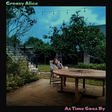
Met As Time Goes By (album verschijnt 30 januari 2026) presenteert Greazy Alice, het bandproject rond de Amerikaanse muzikant Alex Pianovich, zich als een eigenzinnige stem binnen de hedendaagse Amerikaanse rootsmuziek.
Pianovich, geboren in september 1989 in Pennsylvania, begon op zesjarige leeftijd met pianospelen. In zijn tienerjaren verschoof de focus naar gitaar en songwriting, met The Rolling Stones als doorslaggevende inspiratie. Vooral Exile on Main Street fungeerde als leidraad.
“Dat album is voor mij The Stones op hun hoogtepunt,” zegt Pianovich. “Wat je ook van ze vindt: voor mij zijn zij the greatest rock and roll band of all time.”
Een belangrijke rol speelt ook sessiepianist Nicky Hopkins, wiens stijl hoorbaar doorklinkt in de track West. “Tijdens de opnamen zeiden we: ‘Waarom proberen we het niet eens op die manier?’ En toen we dat deden, klopte het ineens helemaal.”
Via het Stones-repertoire ontdekte Pianovich de bluescatalogus van Chess Records en artiesten als Muddy Waters en Howlin’ Wolf. “Alles komt uit dezelfde bron,” stelt hij. “Blues, country en rock-’n-roll zijn geen aparte genres, maar variaties op één muzikale taal.” Zijn songwriting werd verder gevormd door namen als Hank Williams, Merle Haggard en Townes Van Zandt.
Een beslissend moment volgde in 2012, toen Pianovich verhuisde naar New Orleans. Zonder netwerk, maar bewust gekozen vanwege de muzikale geschiedenis. “Als je hier piano speelt en geen Dr. John-nummers kunt spelen, sta je meteen met 1–0 achter,” zegt hij.
Thematisch draait As Time Goes By om verandering en heroriëntatie. Veel nummers ontstonden tijdens een persoonlijke overgangsperiode, waarin een oude relatie eindigde en een nieuwe begon met zangeres en songwriter Jo Morris, inmiddels zijn echtgenote. “Dit album is grotendeels ontstaan in de periode dat Jo en ik beseften dat we verliefd waren,” aldus Pianovich. “Het was een turbulente tijd, maar ik ben blij dat we deze songs toen hebben gemaakt.”
Greazy Alice bestaat uit Alex Pianovich, bassist Will Repholz en drummer Lee Garcia. In Europa leidde het album al tot airplay, lovende pers en tourplannen in het Verenigd Koninkrijk en Ierland.
Interview © 2026 Peter Schavemaker Tekstproducties
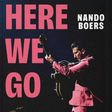
Deze podcast is een gesprek met Nando Boers, de auteur van het boek Here We Go over Danny Vera, waarin hij vertelt hoe hij de zanger twee jaar lang intensief volgde. Vera stemde in met het plan om geen biografie, maar een reportage te maken. De schrijver was aanwezig waar het gebeurde: in kleedkamers, backstage, onderweg tussen optredens en tijdens opnamesessies.
“Je moet er zijn als er wat gebeurt,” zegt Nando Boers in het interview.
Nando bezocht ongeveer zestig optredens, was vaak uren voor aanvang al aanwezig bij soundchecks en mengde zich geruisloos tussen band en crew. Die langdurige nabijheid zorgde ervoor dat iedereen hem als vanzelfsprekend onderdeel van de omgeving ging beschouwen, waardoor gesprekken, twijfels en creatieve momenten zich ongefilterd konden ontvouwen in gesprekken en later op papier in het boek. De kern van het boek is Danny Vera’s diepgewortelde behoefte aan vrijheid, autonomie en authenticiteit. Het verklaart zijn afkeer van routine en repeteren, zijn voorkeur voor spontaniteit en zijn verlangen om steeds opnieuw het moment te laten spreken.
Daarnaast komt Danny Vera’s lange, moeizame weg naar succes uitgebreid aan bod. De schrijver vertelt dat hij vooraf weinig wist over de jaren waarin Vera talloze afwijzingen kreeg en soms twijfelde aan zijn talent. Toch bleef hij doorzetten, tot aan het moment waarop hij net dacht dat hij een bijbaan nodig zou hebben, vlak voordat de kans bij het televisieprogramma van Johan Derksen zich aandiende. Het gesprek laat horen hoe bepalend dat keerpunt was.
Een ander belangrijk deel in het boek gaat over het ontstaansproces van de Nederlandse popklassieker Roller Coaster (125 miljoen Spotify streams). De auteur reconstrueerde de opnamegeschiedenis (10 juli 2018) minutieus, inclusief de demo’s en keuzes in de studio.
“Danny Vera is meer dan Roller Coaster,” zegt Nando Boers.
Tot slot vertelt de auteur in de podcast hoe bijzonder het was om aanwezig te zijn bij de opnames van The Way Home, het nieuwe album van Vera, in Middelburg. Die sessies vormen volgens Boers de essentie van het boek.
Interview © 2025 by Peter Schavemaker Tekst, Audio en Podcast Producties. Alle rechten voorbehouden. www.peterschavemaker.nl

Eric Johanson reflects from his home in New Orleans, in an interview with music journalist Peter Schavemaker, on the creation and meaning of his live album Live in Mississippi, recorded in August 2024 at Ground Zero in Biloxi and released by RUF Records in 2025. For him, the album captures the essence of how his music is meant to exist—alive, improvisational, and shaped by the energy of the moment. “The songs are never exactly the same twice,” he explains, emphasizing his goal to bring listeners “into the live experience” even when touring cannot reach everyone. The intimate, “fat and upfront” sound was crafted to make listeners feel as if the trio were performing directly in their homes.
Johanson sees live performance as an extension of songwriting: once captured in the studio, songs evolve on stage. His approach is rooted partly in lessons from mentor Tab Benoit, who produced his 2017 debut Burn It Down and showed him the importance of capturing authentic performance.
Raised in Alexandria, Louisiana, Eric Johanson absorbed influences far beyond blues—from Metallica and Soundgarden to Joni Mitchell and Fiona Apple—yet identifies the blues as his natural musical language. His acoustic Covered Tracks albums and admiration for Delta blues pioneers such as Son House and Mississippi Fred McDowell show his deep connection to the genre, even as his electric trio sound leans toward British power-blues and 1970s heaviness.
Live in Mississippi includes Skip James’ Hard Time Killing Floor Blues, chosen for its enduring message about economic insecurity. Johanson also honors his Louisiana and New Orleans roots with performances of the Neville Brothers’ Yellow Moon and Dr. John’s I Walk on Guilded Splinters.
Looking ahead, he hopes to collaborate again with Samantha Fish, plans more touring, including Europe in 2026, and envisions a new studio album created through deeper band-based exploration, possibly self-produced.
Interview © 2025 by Peter Schavemaker Tekst, Audio en Podcast Producties. All Rights Reserved.

British blues musicians The Zac Schulze Gang represents the new generation of working-class artists carrying forward the raw, live energy of the UK blues tradition. Based in Kent, a region with a thriving pub scene and deep musical roots, Zac and his band built their reputation through relentless touring and countless gigs.
Their long-awaited debut album Straight To It, released on German-based Ruf Records, captures that same live spirit.
Zac’s influences are unmistakably British. “I found out about blues through Joe Bonamassa in 2009, John Mayall and the Blues Breakers, Jeff Beck, Eric Clapton, Gary Moore. He also draws inspiration from Dr. Feelgood, Nine Below Zero and UK-blues icon Rory Gallagher, artists whose legacy he helps keep alive on stage.
Now 25, Zac has taken his band from The Ship, their local Kent pub, to festivals across Europe and the U.S. “We just wanted to play — and suddenly it all took off.”
Interview © 2025 by Peter Schavemaker Tekst, Audio en Podcast Producties. All Rights Reserved.

Graham Nash, the legendary singer-songwriter from The Hollies and Crosby, Stills, Nash & Young, reflects on his recent work, political climate, and personal life. His latest album NOW, released in May 2023, was initially described by Nash as a snapshot of his life at that moment. Two years later, he acknowledges how much has changed, from a new Trump administration to global conflicts, yet the record remains deeply personal and political. It includes five songs dedicated to his wife Amy Grantham and tracks such as Golden Idols and Stars and Stripes, which confront Donald Trump’s destruction of truth. Nash admits that many artists avoid criticizing Trump for fear of retaliation, but he feels compelled to speak out.
Though he could live anywhere, Nash insists on staying in America, calling it “a truly great country” despite the chaos of Trump’s second term, which he finds “much more evil than Nixon.” Still, the UK remains close to his heart, particularly his northern roots, and his upcoming tour includes dates in Britain, Germany, and the Netherlands. Nash highlights his lifelong friendship with Allan Clarke, with whom he recently collaborated again, and their shared admiration for Buddy Holly.
On David Crosby’s passing in early 2023, Nash recounts their last exchanges of emails and voicemails, lamenting an unfinished FaceTime call just two days before Crosby died. Though he never said goodbye, he remembers Crosby daily and honors him in his shows. Nash also reveals work on a forthcoming documentary and album of 33 unreleased CSN songs, alongside filmmaker Robert Zemeckis.
At 83, Nash continues to follow his mother’s advice to “follow your heart.” His concerts, he says, could be the last opportunity for audiences to hear classic CSN songs live. Looking forward, he is still writing and hints that a future album will follow NOW.
Interview © 2025 Peter Schavemaker Tekst, Audio en Podcast Producties. All Rights Reserved.
[email protected]
Tami Neilson: One of today’s standard-bearers for equality in Music City Nashville, following in the tradition of Loretta Lynn, Kitty Wells and Dolly Parton.
This podcast interview with Canadian/New Zealand singer-songwriter Tami Neilson centers around her new album Neon Cowgirl and the themes that shape her music and career. Neilson speaks candidly about her childhood in a touring family band, the influence of icons such as Kitty Wells, Patsy Cline, Loretta Lynn, Dolly Parton and the lessons she learned early on about the tough realities of the music industry. She reflects on the inequality between men and women in the country world and her role as an advocate for greater visibility of female artists, notably through her project The F Word. Neilson also discusses her inspirations, from Mavis Staples, Johnny Cash, Glen Campbell to Willie Nelson, and the interconnectedness of country, soul, gospel, and blues. Working with Neil Finn. The interview portrays her ongoing search for a personal definition of success, balancing motherhood, creativity, and international touring. Europe and New Zealand also play an important part: places where her music is received more freely and across genres. Neon Cowgirl emerges not only as a tribute to Nashville and her musical heroes but also as a manifesto of resilience, authenticity, and a continuing fight for equality in music.
Interview © 2025 Peter Schavemaker Tekst, Audio en Podcast Producties. All Rights Reserved.
[email protected]
In deze podcast wordt muziekjournalist Oscar Smit door collega muziekjournalist Peter Schavemaker uitgebreid geïnterviewd over zijn onderzoek, zijn persoonlijke herinneringen én de rol van Paradiso als kraamkamer van de Nederpunk in zijn boekserie De Paradiso Punkjaren. Een must voor muziekliefhebbers en iedereen die wil begrijpen hoe een undergroundbeweging uitgroeide tot een blijvend hoofdstuk in de Nederlandse popgeschiedenis.
Bijna vijftig jaar geleden, in januari 1977, beleefde Paradiso de oerknal van de punk. The Damned, de Sex Pistols, The Ramones en Blondie stonden op het Amsterdamse podium – vaak nog voor een halflege zaal. Toch zou die periode de Nederlandse muziekgeschiedenis ingrijpend veranderen. Muziekjournalist en punkkenner Oscar Smit dook diep in die tijd en schreef de vijfdelige serie De Paradiso Punkjaren. Het eerste deel, 1976 Pre-punk – 1977 De Oerknal, verscheen oorspronkelijk in 2017 en is nu in herziene vorm uitgebracht.
De boekpresentatie op 31 augustus in de Grote Zaal van Paradiso gaat samen met de release van een unieke LP: Nederpunk: The Early Years 1977-1982. Twintig tracks, waarvan vijftien nooit eerder zijn uitgebracht, geven een rauw en authentiek tijdsbeeld van de begindagen van de Nederpunk. “Het is bedoeld als document,” zegt Smit. “Ik wilde een breed overzicht geven van hoe punk in Nederland rond 1980 klonk – mét verhalen bij de bands. Niet zomaar een compilatie, maar geschiedschrijving.”
In zijn boeken gebruikt Smit niet alleen krantenarchieven, posters en fanzines, maar ook gesprekken met muzikanten. Hij reconstrueert minutieus hoe punk in Nederland wortel schoot. Zo beschrijft hij het eerste optreden dat hij zag: The Damned in Paradiso. “Het was totaal overdonderend: een zanger als Graaf Dracula, een drummer die zijn bekkens in brand stak. Ik kende de studiomuziek, maar live was het een openbaring. Vanaf dat moment was ik bekeerd.”
Nederland kende in die tijd geen eigen equivalent van The Ramones of Blondie. Iedere band gaf zijn eigen draai. The Flying Spiderz uit Eindhoven waren de eerste Nederlandse punkband, Ketchup uit Den Haag zong in het Nederlands en Tedje en de Flikkers uit Nijmegen brachten openlijk homoseksuele punk met politieke lading. “In Nederland kon punk ook gewoon pret zijn, minder zwaar beladen dan in Engeland onder Thatcher. Ik noem dat ‘pretpunk’,” aldus Smit.
Naast Paradiso speelde ook de Nederlandse media een rol. OOR-journalisten, kleine radioprogramma’s als Rauhfaser en fanzines als Aambeeld brachten punk dichterbij. Toch vindt Smit dat de publieke omroep een kans liet liggen: “Punk werd weggestopt in niches, terwijl het veel meer aandacht verdiende.”
Wat begon als een persoonlijke fascinatie – posters van de muur trekken, knipsels verzamelen, reizen naar Londen – groeide uit tot een serieuze archiefcollectie en uiteindelijk deze boekenreeks. “Ik wilde het beeld van die jaren zo goed mogelijk bewaren, inclusief de taal en fouten van toen. Het is geschiedenis.”
En punk anno 2025? Volgens Smit springlevend. “Ik kan me voorstellen dat jongeren die nu bands als Bob Vylan of Waterschade ontdekken, hetzelfde gevoel hebben als ik in ’77. Punk is vaak doodverklaard, maar nog altijd urgent. Kijk naar de compilatie Girls to the Front – jonge Nederlandse vrouwen die hun stem laten horen. Punk is nooit een louter mannending geweest of alleen een Amsterdams fenomeen.”
Interview © 2025 Peter Schavemaker Tekst, Audio en Podcast Producties. Alle rechten voorbehouden.

Barry Mazor, author of the book Blood Harmony about the Everly Brothers, is interviewed in this podcast by music journalist Peter Schavemaker.
Mazor emphasizes his deep and long-standing interest in the Everly Brothers, which began at the age of eight when he first heard Bye-Bye Love. Despite growing up in a household filled with Broadway and jazz music, he developed a strong affection for roots music. This curiosity led him to explore historical country and blues, and later to host a college radio show focused on American roots music.
The inspiration for his book, Blood Harmony, came from the absence of a serious, in-depth, and well-researched book about the Everly Brothers. His lifelong bond with their music made writing it a “natural choice,” Mazor says in the interview. The book seeks to balance the complicated and often dramatic personal relationship between Don and Phil Everly, and the influence that relationship had on their music.
Mazor dispels the popular myth that the brothers grew up in Kentucky; they moved shortly after Don’s birth and spent most of their youth in urban Chicago and Nashville. Their father, Ike Everly, was a major influence; although a blues and ragtime guitarist, he learned country music for the radio and introduced the electric guitar to the Chicago scene. He also taught the boys Black pop harmonies. Don developed a distinctive guitar style. Initially signed as country singers, their music—with hits like Bye-Bye Love—quickly became a phenomenon in both pop and R&B, leading to a complex dual identity that they found hard to manage. They were respected by both white country artists, such as Buddy Holly, and Black R&B musicians like Bo Diddley.
Europe played a vital role in their career, especially in the 1960s when their success in the U.S. waned. The continent served as a “lifeline,” where they continued to draw full houses and score hits. The Everlys experienced multiple comebacks, with their music becoming relevant again whenever interest in roots music resurged.
The intense “blood harmony” between the brothers, combined with constant closeness and clashing temperaments, led to tensions and ultimately a split in 1973; they had grown tired of “the act,” Mazor explains in the interview. After ten years of separate careers, they reunited in 1983—first as brothers, and only later as a performing duo again. Mazor interviewed Phil but was never able to speak to Don, who lived a very private life.
The enduring popularity of their songs, as measured by millions of Spotify streams, is attributed to their unique sound and influential guitar riffs, which even inspired artists such as The Who and The Rolling Stones. Mazor also acknowledges the Everly Brothers International fan club in the Netherlands for its invaluable archive material, which was crucial to his research.
Interview © 2025 Peter Schavemaker Tekst, Audio en Podcast Producties.
[email protected]
Muziek- en mediajournalist Peter Schavemaker praat in deze podcast met auteur en pophistoricus Leo Weijers over zijn boek 'Radio Veronica 14 jaar hits uit zee', dat de geschiedenis van de zeezender beschrijft. Weijers legt uit dat het idee voor het boek al langer bestond, maar werd versterkt door de jubilea van Veronica en het overlijden van Willem van Kooten. Het boek vertelt het verhaal van Veronica vanaf het prille begin, met speciale aandacht voor de pionier Max Lewin (VRON), Peter 'Peer' Jansen (Radio Mercur), Bep Slootmans, Henk Oswald en gebroeders Verweij. Leo Weijers voegt nieuwe details toe op basis van uitgebreid archiefonderzoek, inclusief krantenknipsels die hij ontving van een overleden kennis, en besteedt aandacht aan de muziek, jingles, commercials en hitlijsten uit die tijd. Hij bespreekt ook de relatie tussen Veronica en de politiek, de rol van belangrijke DJ's zoals Willem van Kooten en Tineke, en de impact van de bomaanslag op het schip van Radio Noordzee. Hoewel hij geen interviews met oud-medewerkers voerde vanwege de reeds uitgebreide beschikbare informatie, heeft Weijers elementen uit bestaande interviews verwerkt en heeft hij contact gehad met de Stichting Norderney, die ook foto's voor het boek leverde. De auteur benadrukt dat hij met het boek een objectief en compleet verhaal wil vertellen, met alle facetten van de geschiedenis van Radio Veronica.
Het boek 'Radio Veronica 14 jaar hits uit zee' is verschenen bij uitgeverij WBOOKS.
Interview © 2025 muziek- en mediajournalist Peter Schavemaker.
Alle rechten voorbehouden.
[email protected]In december 1981 was de Amsterdamse band Drukwerk in één klap wereldberoemd in Nederland dankzij de hit ‘Je loog tegen mij’. Wekenlang stonden Harry Slinger en zijn band op nummer 1, scoorden nog tien hits op rij, zoals 'Schijn 'n lichtje op mij', 'Hee Amsterdam', 'Ik verveel me zo in Amsterdam Noord', 'Wat Dom' en 'Marianneke'.
Auteur Edwin Gitsels schreef de biografie Je Loog Tegen Mij.
Muziekjournalist Peter Schavemaker interviewt in deze podcast Harry Slinger en Edwin Gitsels.
interview Friso Wiegersma - 1 oktober 2003 - Peter Schavemaker
GroenLinks-PvdA Kamerlid Mohammed Mohandis wordt in deze podcast geïnterviewd door Spreekbuis.nl-mediajournalist Peter Schavemaker.
VVD-Kamerlid Pim van Strien wordt in deze podcast geïnterviewd door Spreekbuis.nl-mediajournalist Peter Schavemaker
De Vlaamse minister van Media wordt in deze podcast geïnterviewd door de Nederandse mediajournalist Peter Schavemaker.

Interview met de Hilversumse burgemeester Gerhard van den Top:
"Verwantschap met omroepburgemeester Joost Boot"
Het interview begint op 21 oktober 1961, de geboortedag van Gerhard van den Top, in Bennekom (gemeente Ede). In Ede was tussen 1 oktober 1946 en 1 oktober 1951 Joost Boot burgemeester. Deze Boot zou vanaf 1951 tot en met 1 januari 1968 burgemeester zijn van Hilversum, en geldt als dé burgemeester die de omroep naar Hilversum haalde.
Gerhard van den Top noemt zijn voorganger Boot ‘integrerend’. “Het voelt als een verwantschap. Boot was ook een burgemeester die naar mijn gevoel grote invloed heeft gehad op de ontwikkeling van Hilversum als Mediastad, bijvoorbeeld bij de totstandkoming van het Mediapark zoals dat er nu is. Ik heb de indruk dat hij een belangrijke rol heeft gespeeld op kritieke momenten in de geschiedenis van onze gemeente. Hij verdient een plaats in de geschiedenis van onze gemeente, die ik nader wil onderzoeken.”
Een ander startpunt van het gesprek met Van den Top is het boek 100 jaar Hilversum Mediastad. Daarin beschrijf ik dat de Hilversumse burgemeester Paul Reijmer (1922-1929) in 1928 in de raad van 10 januari over de komst van omroep het volgende zegt: (letterlijke tekst) ‘De toekomst zal dus moeten leeren of in hoeverre uitbreiding deze industrie voor de gemeente een onverdeeld gemeentebelang is te noemen.’ Tijdens zijn speech aan het Award Dinner van de 2023-editie (3 oktober 2023) van Dutch Media Week, 95 jaar later dan Reijmer, zei burgemeester Van den Top: ‘In de afgelopen 100 jaar is de dominante factor in de ontwikkeling van onze gemeente geweest de geboorte van de radio, gevolgd door de omroepen, televisie en daarna het Mediapark.’ Gerhard van den Top in het interview: “De media zitten inmiddels al 100 jaar in het DNA van onze gemeente. Radio, televisie, streamingsdiensten, Beeld en Geluid en gaming. De rest van Hilversum heeft hier veel baat bij. Het Mediapark is voor de werkgelegenheid en identiteit heel belangrijk. Het is de vruchtbare grond waarop de gemeente inmiddels al 100 jaar heel erg mooi is gaan bloeien. Daar moeten we vooral heel erg zuinig op zijn en verder willen brengen in de komende jaren.”
Burgemeester van den Top praat in ons interview ook uitgebreid over de ‘uitdaging’ van de veiligheidssituatie van het Mediapark en hoe hij omging met de demonstranten die omgekeerde Nederlandse vlaggen daar toonde. “Wie aan de journalistiek komt heeft een probleem,” zegt Van den Top. “Ik ben dan niet zo zeer bezig met de beschadiging van het imago van de Mediastad, maar vooral bezig met de veiligheid van de mensen die daar werken.”
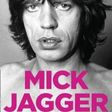
Dutch music journalist and podcast host Peter Schavemaker is interviewing biographer Philip Norman on his Mick Jagger bio.
- English spoken podcast -
© 2012 / 2023 Peter Schavemaker Audio en Podcast Producties.
All rights reserved. No use without permission.
[email protected]Grolloo Radio Podcast over The Rolling Stones tentoonstelling Unzipped in het Groninger Museum by
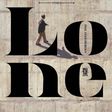
Muziekjournalist Peter Schavemaker interviewt in deze podcast Michel van Dijk en Ferdinand Bakker over hun nieuwe cd Isolated Heroes, die zij als zesde cd van hun muziekproject LONE op 23 juni 2023 uitbrachten.
Sinds 2012 vormen de twee muzikanten het muziekproject LONE, dat een ontdekkingsreis vol invloeden is van blues, soul, Amerikaanse rock, jazz, klassiek enz...
In deze podcast wordt antwoord gegeven op de vragen wat de rol is van blues en Amerikaanse rock in de muziek van LONE, de achtergronden van enkele songs, de Amerikaanse inbreng, unieke stem en onzekerheid van Van Dijk, de muzikale alleskunner Bakker en de samenwerking tussen Michel en Ferdinand.
Van Dijk en Bakker hebben ook een muzikaal verleden in de progressieve rock band Alquin, uit Delft.









 ADHAZESRox & Dré / Tonny Media
 Fab4Cast - The Dutch Beatles PodcastFab4Cast - The Dutch Beatles Podcast
 Blokhuis de PodcastNPO Luister / BNNVARA
 30 MINUTEN RAUW door Ruud de WildNPO Luister / PowNed
 Eerste hulp bij klassiekKlara
 ABBA in Nederland - Poplegendes in de PolderNPO Luister / AVROTROS
 Aldith wil meer klassiekNPO Luister / KRO-NCRV
 The Opposites: De Rest Is GeschiedenisNPO Luister / Zwart
 Kris Kross MixtapeKris Kross Amsterdam
 BasgastenHidde Roorda
 Een goedemorgen met...NPO Luister / AVROTROS
 Klassieke MysteriesNPO Luister / AVROTROS